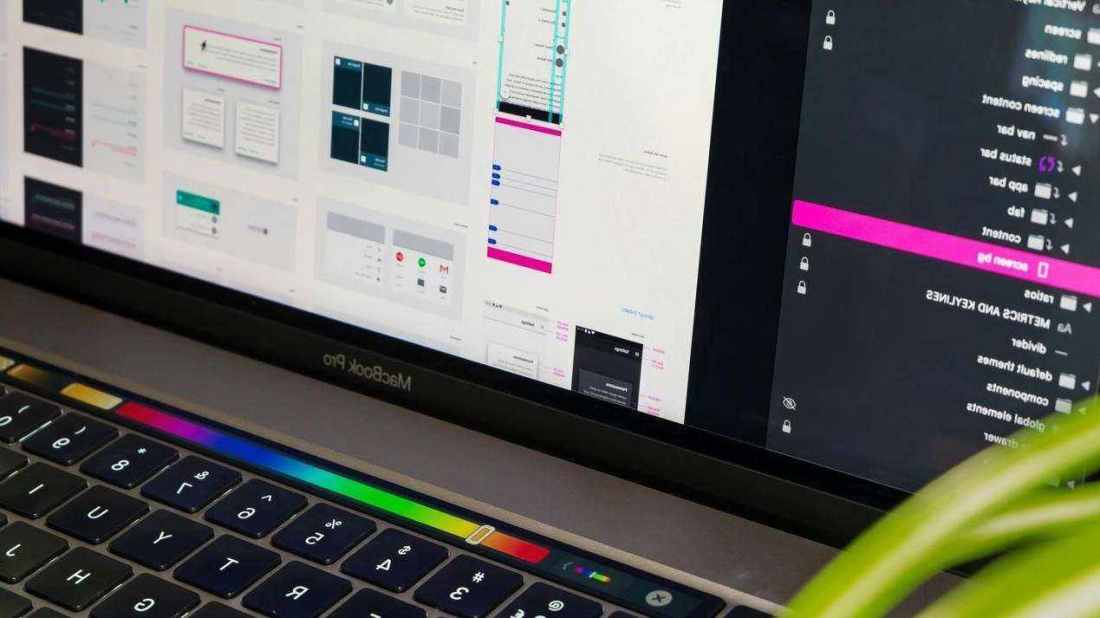
Adaptive Cluster UI — Brisbane prototype v7
Iteration-focused design for adaptive instrument clusters: clarity at speed, context-aware layouts, and energy-efficient EV modes tuned for Australian drivers.
Project overview
Nextgenautoexpert led the adaptive cluster UI program in Brisbane: defining responsive layouts across primary, secondary and minimal modes; prioritising glanceability, legibility under sunlight and driver distraction minimisation per AUS guidelines.
- Target: commuter & urban EV drivers (AUS-specific speed and signage considerations)
- Deliverables: interactive prototype, design system tokens, accessibility checklist
- Outcome: 18% faster information retrieval in usability testing (v6 → v7)
Design features & patterns
Adaptive layout
Three breakpoints: full cluster, split cluster, and minimal mode for low-attention driving.
Priority-driven content
Context rules drive prominence: safety alerts > navigation > media controls.
Energy-aware rendering
Low-power UI states for EV range preservation with OLED-friendly color schemes.
Key metrics (v7)
| Metric | v6 | v7 |
|---|---|---|
| Info retrieval (s) | 4.2 | 3.4 |
| Driver glance time (avg s) | 1.8 | 1.3 |
| Energy draw (idle) | 5.6W | 4.1W |
User research & testing
Mixed-method testing in Brisbane and Sydney: on-road observation, desktop sessions with driving simulator, and remote diary studies. Participants included daily commuters and ride-share drivers.

- Iterative prototypes: 5 rounds
- Compliance checks for Australian road signage and regulatory text contrast
- Findings: reduced cognitive load with progressive disclosure
Design gallery

Full mode — driver-focused layout with navigation prominence.

Split mode — balanced media + driving info.

Minimal mode — low-attention state for highway driving.
Project leads

FAQ & technical notes
Interested in a prototype or HMI audit?
We run focused sprints for OEMs and tier-1 suppliers across Australia.