In-car interface — Melbourne (Q3)
Concepts and prototypes focusing on commuter flows, adaptive clusters, and EV-first experiences tailored to Australian driving contexts.
Project overview
This Q3 initiative explores modular cluster UIs, context-aware home screens, and voice-first interactions for Australian urban and regional driving. Research combined field observations in Melbourne with rapid prototyping.

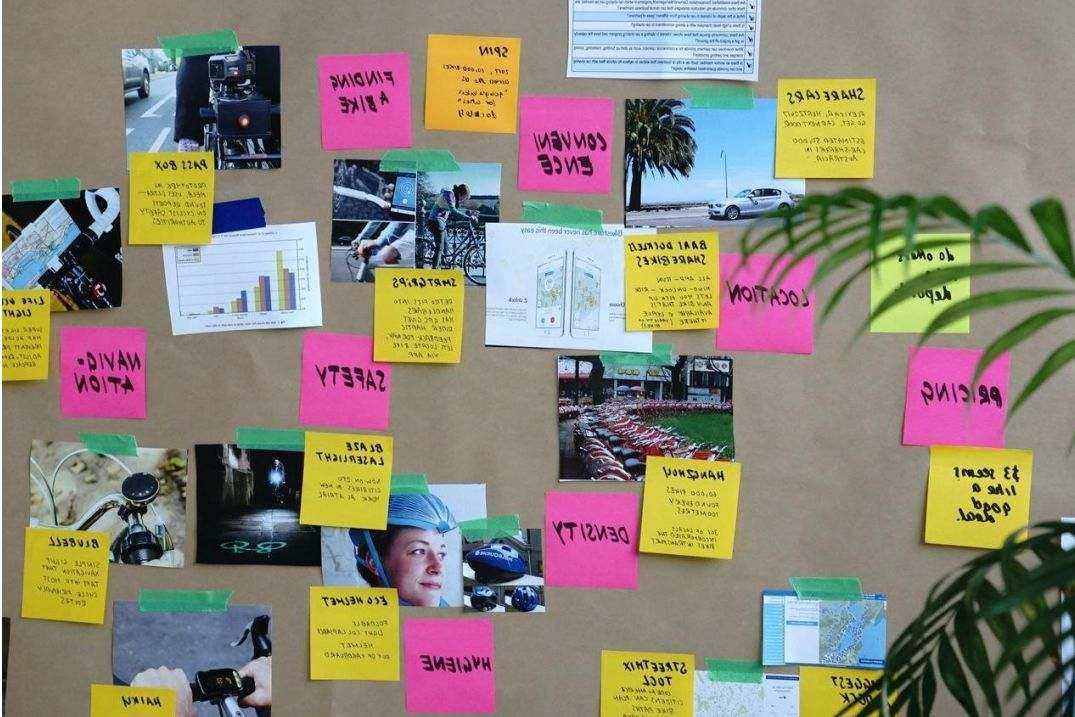
Field research
Observations around Melbourne CBD and suburban commutes.

Prototype testing
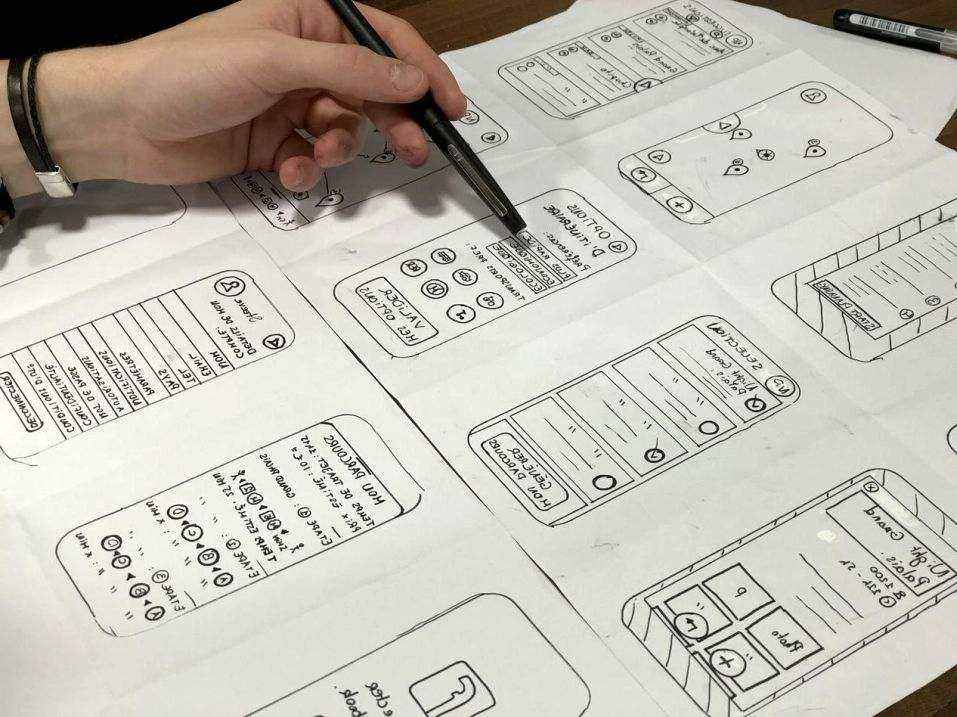
Iterative touch and voice test cycles with drivers.

EV-first flows
Battery, charging and range-aware dashboard concepts.
Design approach
- Adaptive clusters: reflow UI based on driver state and speed.
- Legibility: Australia-specific type sizes and contrast for sun angles.
- Minimised distraction: glance-first information hierarchy.
Accessibility
Voice assist and tactile feedback patterns designed for driver's attention management.
Localisation
Units, drive-side options, and local points-of-interest integrated for Australian users.
Interactive prototypes
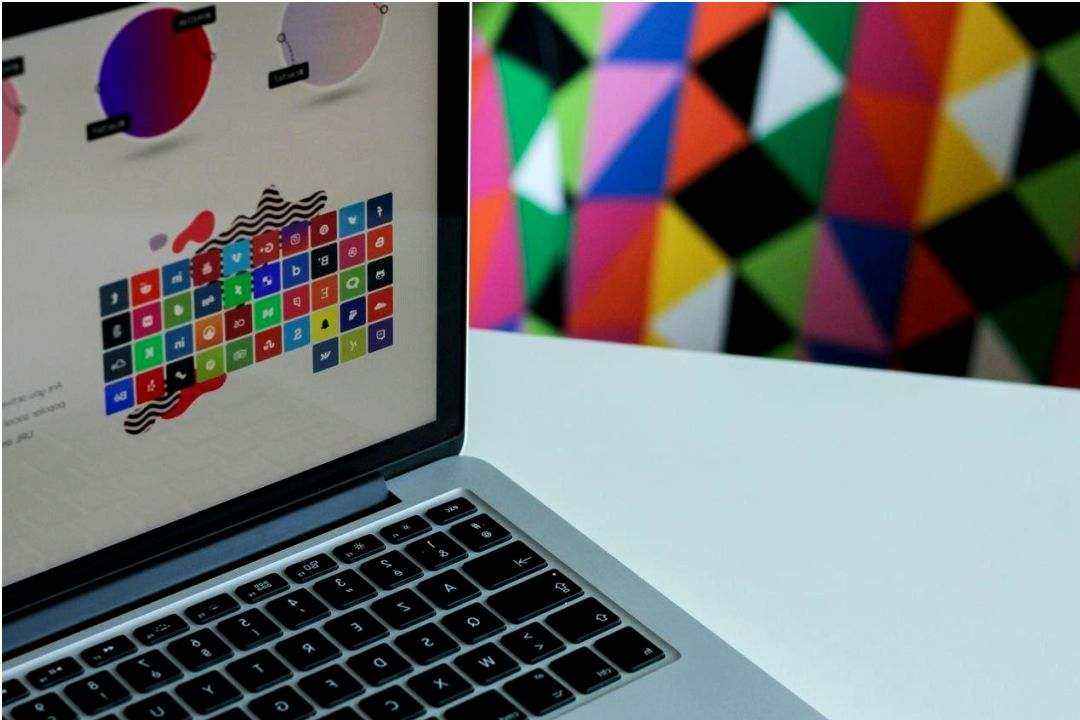
Playable prototypes were built for highway, urban and parking contexts. Below are key screens and interaction notes.

Speed-aware layout with priority lane information and navigation cues.

Range-first home, charger finder and eco-routing hints.

Glanceable lane-assist and takeover prompts with haptic patterns.
Case studies

Commuter flow — Melbourne CBD
Improved route summarisation reduced glance time by 18% in tests.
Discuss this study
Gallery & screens


Technical notes & FAQ
Team & contacts

Lead UX Designer — Nextgenautoexpert (Melbourne). Specialises in driver-centred dashboard ecosystems.
Technical specifications (summary)
| Area | Notes | Priority |
|---|---|---|
| Cluster latency | <50ms input-to-display | High |
| Power modes | Low-power core for standby retain states | Medium |
| Connectivity | LTE/5G, BT, Wi‑Fi, OTA updates | High |